
A reversible paragliding harness serves two functions in one object: a flight seat with back protection and a carrying bag for the ascent. The Nervures AirTrek 2, developed based on the Supair Altirando Lite with specific modifications by Nervures, illustrates this versatility logic applied to the school and progression segment.
Airbag protection and passive safety of the AirTrek 2 harness
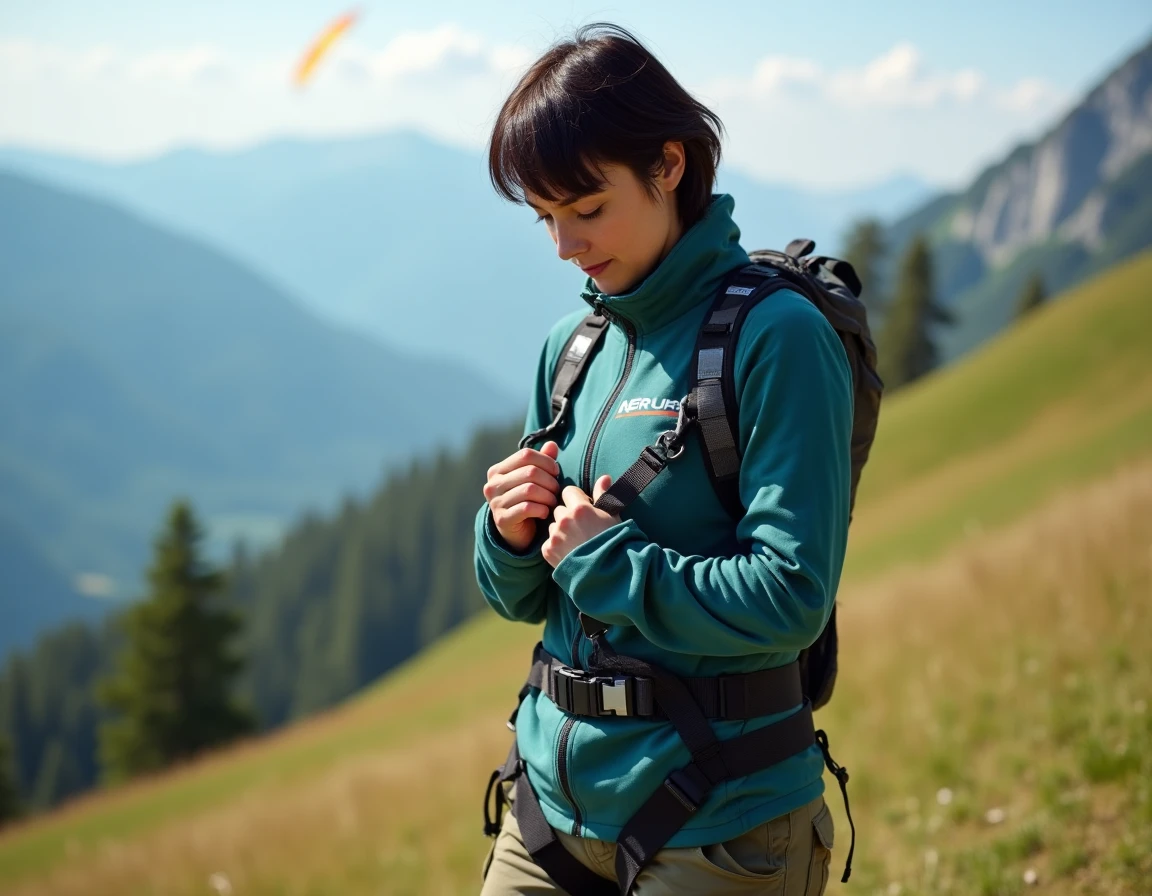
The technical feature that distinguishes the AirTrek 2 from many entry-level harnesses is its pre-inflated airbag at takeoff. While some back protections require a flight phase to fill with air, the system used here offers full protection from the very first running steps.
This point is not trivial. Most ground impacts in paragliding occur in the seconds following takeoff or just before landing, two phases where an uninflated protection is useless. With an airbag active from the ground, the pilot benefits from vertical cushioning without delay.
The harness also includes a reserve parachute container with a handle-POD connection system detailed in the manufacturer’s manual. Nervures recommends checking the assembly by performing at least one extraction test under a frame before the very first flight, a step that too many beginner pilots overlook.
To delve deeper into the design specifics, the complete description of the Nervures paragliding harness on L’Esprit du Sport details the technical choices made by the manufacturer.
Carrying comfort while walking and flying: an underestimated criterion
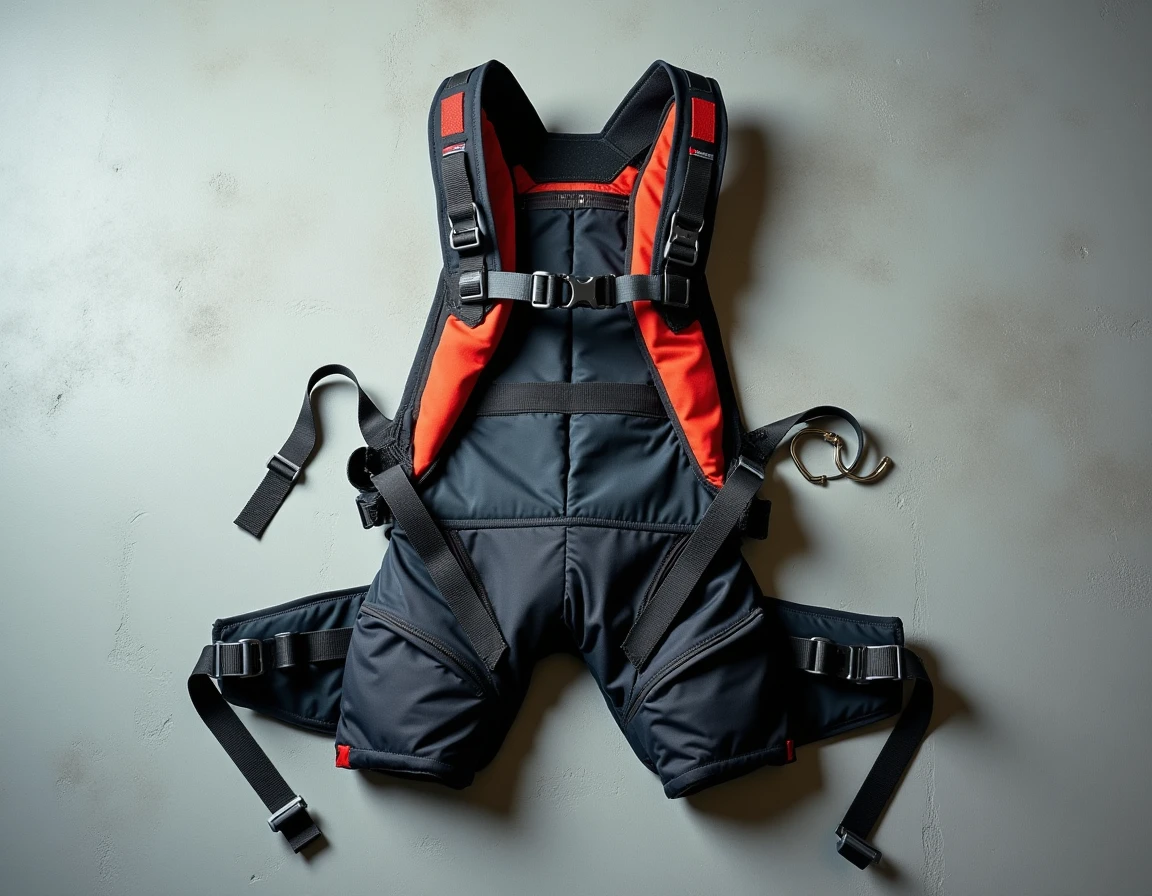
Product sheets for reversible harnesses often highlight the gross weight. The AirTrek 2 in medium size weighs about 2.92 kg, placing it in the lower average of its category. But weight alone does not determine carrying comfort.
Feedback from practitioners on specialized French-speaking forums reveals a recurring observation: on elevation gains of 600 to 1,200 meters with a loaded bag (wing, reserve, water, clothing), the quality of the straps and back ventilation matter more than the difference between 2.8 and 3.2 kg.
What changes the game on the ground
The AirTrek 2 in backpack mode accommodates a classic wing of type EN A or EN B. The question to ask before purchasing is about the actual volume available once the reserve is installed in its dedicated compartment.
- The reversibility should allow a harness-bag transition in less than two minutes without tools, directly on the takeoff or landing site
- The straps should remain comfortable under a total load of ten to fifteen kilograms on a technical trail
- The internal storage should leave enough space for a compacted wing and flying accessories without straining the closures
On this last point, the design inherited from the Supair Altirando Lite gives the AirTrek 2 a storage volume consistent with the wings of the targeted segment.
Adjustments of the paragliding harness and behavior in flight
A poorly adjusted harness degrades piloting, regardless of its manufacturing quality. The AirTrek 2 offers several adjustment axes that deserve some learning time on the ground before flying.
Adjusting the seat and the spacing of the anchor points
The seat plate determines the position of the pelvis in flight. A plate that is too loose causes a hollow seat that fatigues the back. A plate that is too tight stiffens weight transfers and reduces sensitivity to roll.
The carabiners and the width of the riser spacing directly influence maneuverability. A wide spacing stabilizes the harness but reduces responsiveness. A narrow spacing increases sensitivity to controls but can make flying uncomfortable in turbulent conditions.
The Nervures manual recommends testing each configuration under a frame before flying. This advice applies to any adjustment change, not just for the first use.
Accelerator and footrest
The accelerator connection on the AirTrek 2 follows a classic scheme with routing through pulleys at the risers. The footrest stabilizes the position of the legs in flight and contributes to comfort on long flights.
A point rarely addressed in commercial sheets concerns behavior in accelerated flight. Reversible harnesses with thigh straps, due to their design, transmit pelvic movements differently than plate models. The AirTrek 2, with its hammock-type seat, offers more filtered feedback than the split-leg harnesses that have recently appeared on the market.
Reversible paragliding harness: for which pilot profile
The AirTrek 2 primarily targets pilots in the learning or progression phase who want equipment capable of accompanying them from the school site to their first cross-country flights.
- School pilots looking for a harness with reliable passive protection from takeoff
- Occasional hike and fly practitioners on moderate elevation gains, without seeking ultra-lightweight
- Pilots progressing to EN B wings who want to keep their harness without changing equipment at each stage
For exclusive competition use in hike and fly on significant elevation gains, lighter and more minimalist models exist. The AirTrek 2 prioritizes protection and versatility rather than maximum weight savings.
The choice of a reversible harness also depends on the wing used. A compact wing with low folding volume will better utilize the available storage space than a bulky wing intended for tandem use. Checking wing-harness compatibility before purchase avoids unpleasant surprises on the field.