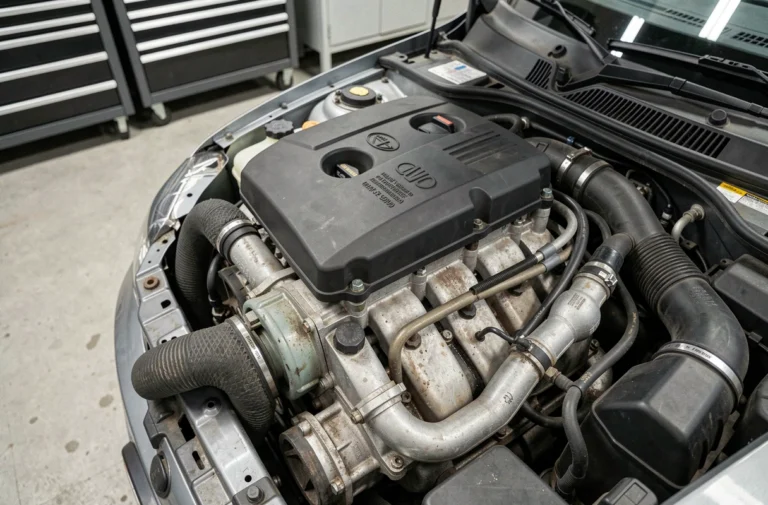
The consumer sports equipment market has become increasingly crowded in recent years, with products ranging from entry-level gear to technical equipment designed for regular athletes.
At the same time, the European regulatory framework is evolving: the Sustainable Products Ecodesign Regulation (ESPR), which came into force in 2024, will introduce durability requirements gradually, by product category. This is changing how people approach sports purchases, which are no longer just about the price on the shelf.
The total cost of sports equipment over time: what the purchase price doesn’t tell you
Comparing two pairs of running shoes or two rowing machines based solely on their initial price gives an incomplete picture. Over three years, cheaper equipment that cannot be repaired can cost more than a pricier model with replaceable wear parts.
In France, the repair bonus may cover certain sports items, subject to conditions. Decathlon’s dedicated page lists eligible categories (some bicycles, bags and water sports equipment) and excludes others. Checking whether the specific item is eligible before buying helps avoid unpleasant surprises, as the scheme does not cover all sports equipment equally.
Several sports equipment catalogs make it possible to compare product ranges and available maintenance options, such as https://www.tictacsport.fr, which lists equipment for a range of sports.
It is also worth considering resale value at the time of purchase. A strength-training machine from a well-known brand, with readily available parts and accessible technical documentation, will retain far more resale value than an unbranded model for which no one can find replacement cables or padding.
- Availability of spare parts: check whether the manufacturer guarantees their availability for several years after the product is discontinued.
- Authorized repair network: some equipment (bicycles, fitness machines) is supported by established networks, while other types are not.
- Resale value: brands with readily available parts are easier to resell on the secondhand market.
Choose sports equipment that matches your actual level of activity
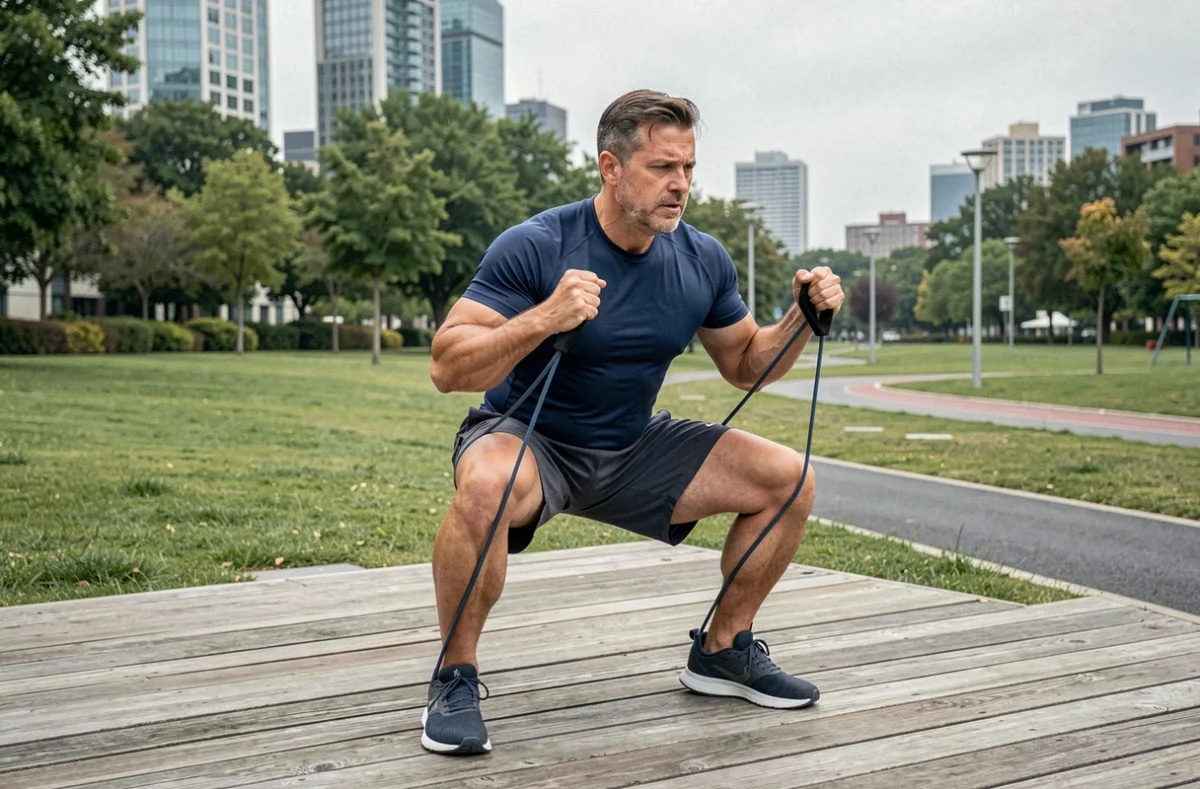
A beginner runner does not need carbon-plated racing shoes. Someone who lifts weights occasionally does not need a multifunction station with high and low pulleys and a squat rack. Your equipment should match how often and how intensely you actually train, not how much you hope to be training in six months.
Over-equipping has two drawbacks. First, it increases your budget without delivering any tangible benefit to your progress. Second, it can be discouraging: a complex machine you don’t know how to use often ends up as a clothes rack.
Practical criteria for assessing your needs
How often you train each week is the first thing to consider. For fewer than two sessions a week, intermediate-level equipment is sufficient for most sports. Above four sessions, mechanical wear increases, making it worth investing in more durable materials or enhanced cushioning.
The surface or environment matters just as much as the sport itself. Trail shoes designed for muddy terrain are no use on a treadmill. A high-end exercise bike loses its appeal if limited space means you have to fold it away after every session, which can eventually make it harder to stick to a routine.
Shoes, clothing and accessories: where quality differences matter most
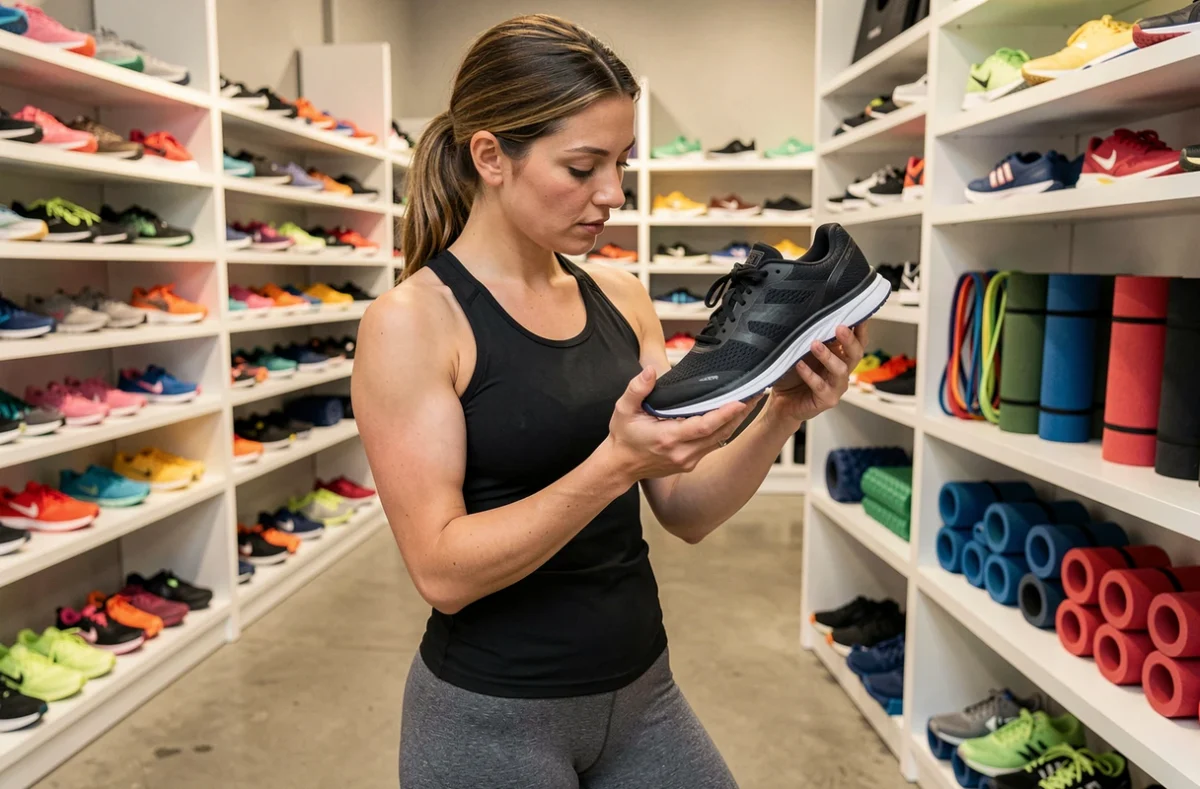
Not every type of equipment deserves the same level of investment. Shoes are a priority for most sports because they affect both comfort and injury prevention.
For running, shoe choice depends on your gait (overpronation, supination or neutral), your weight and the running surface. A gait analysis at a specialist store costs little and can help you find a suitable model.
When it comes to clothing, the difference between a technical T-shirt and a cotton one is not about price but moisture management. A sweat-wicking fabric reduces chafing and skin irritation during longer workouts. However, a basic pair of leggings or shorts is perfectly adequate for most indoor activities.
Connected accessories: useful in the right circumstances
Watches and heart-rate monitors can track progress and help you adjust your intensity. Their usefulness depends on how you actually use them. A heart-rate monitor helps you stay within a target effort zone, which is useful for endurance training or weight loss.
A basic activity tracker is enough to count steps and estimate calorie expenditure. High-end multisport watches are mainly worthwhile for people who combine several sports (swimming, cycling, running) and want to bring all their data together.
Durability and ecodesign: an increasingly important factor in choosing equipment
The European ESPR is establishing a framework that will gradually introduce durability requirements for different product categories. For now, not all categories of sports equipment are covered by specific requirements. While the exact timeline remains uncertain, there is still good reason to prioritize products designed to last.
France’s Ministry for the Ecological Transition reports an increase in repairs between 2020 and 2024 across a panel of organizations studied. This suggests that consumers are increasingly weighing up whether to repair or replace items, including sports equipment.
- Choose equipment whose manufacturer provides a maintenance guide (cleaning, replacing soles or padding, lubricating mechanisms).
- Check whether the product qualifies for the repair bonus before completing your purchase by consulting the retailer’s list directly.
- Consider buying refurbished fitness equipment (exercise bikes, rowing machines), where prices drop sharply but the mechanics remain reliable.
Choosing sports equipment means balancing your immediate budget, the product’s lifespan and how well it suits your actual activity. Properly sized, repairable equipment that matches how often you train remains the most reliable way to make progress without frustration.