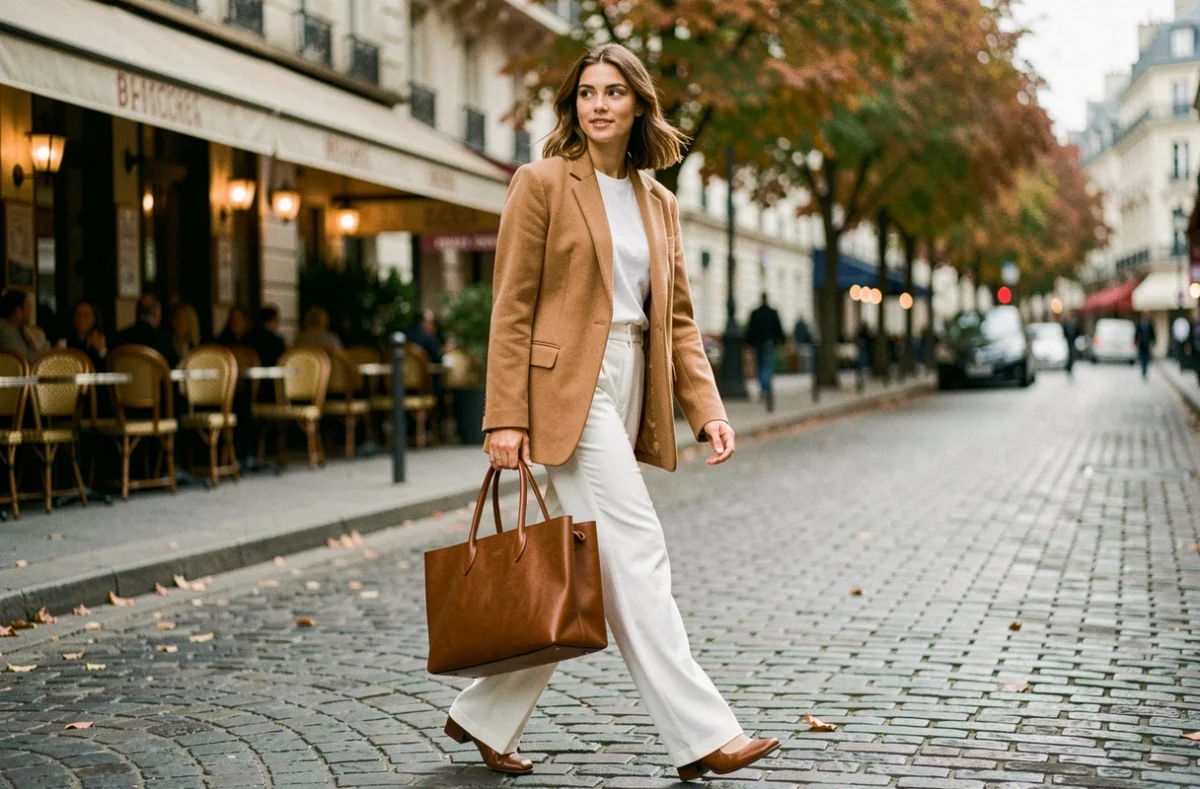
The year 2024 has reshuffled the cards in fashion, with spring-summer and autumn-winter shows highlighting more structured silhouettes and sustainable materials. Major houses and accessible brands are converging towards a few strong themes: the return of reworked classic pieces, a color palette that contrasts with previous seasons, and an increasing consideration of the clothing lifecycle.
Bonus Textile Repair and Fashion Trends 2024: The Link That Runway Shows Don’t Show
Following trends no longer solely involves purchasing new pieces. The Bonus Textile Repair, launched in November 2023 and managed by Refashion, offers a discount on certain repairs carried out by a certified professional. The program covers holes, undone seams, and zippers, but not simple size alterations like shortening pants.
Specifically, a denim jacket with a loose zipper or a coat with a detached lining can find a second life without needing replacement. For a wardrobe aligned with the 2024 trends, repair allows for the retention of quality basics while reserving the budget for the standout pieces of the season.
Fashion enthusiasts who follow the latest on the Funny News fashion site regularly find analyses on how these initiatives are changing shopping habits.

Structured Silhouettes and Deep Colors: Autumn 2024 Style
The autumn-winter 2024 shows have imposed sharp cuts. Marked shoulders are returning on blazers and coats, while dresses are adopting straight lines rather than fluid ones. This shift towards structure moves away from the all-oversized trend that has dominated for several seasons.
In terms of colors, deep red emerges as the key shade. It can be found on long dresses, leather accessories, and even shoes. Chocolate and burgundy hues complete this autumn palette, far from the pastels that characterized spring.
The Revisited Total Denim Look
Denim is no longer limited to pants. In 2024, denim is available in jackets, skirts, dresses, and even accessories. The key to avoiding a uniform look is to play with variations in wash between the top and bottom. Pairing raw denim with a lighter piece creates a contrast that structures the silhouette.
Prints That Have Lasted All Year
The leopard print, noted as early as the back-to-school shows, has kept its promises well beyond autumn. The Scottish tartan has also been very present, worn as a total look or as a unique accessory to break up a solid ensemble.
- Leopard print works best in small doses (bag, belt, scarf) when starting with this pattern, or as a central piece (coat, dress) for a bold look.
- Scottish tartan can be worn as a jacket or skirt, paired with solid colors to avoid visual overload.
- Oversized floral patterns, a legacy of spring-summer, remain relevant in darker versions for the late season.
Second-Hand and Wardrobe Renewal: What the Numbers Reveal
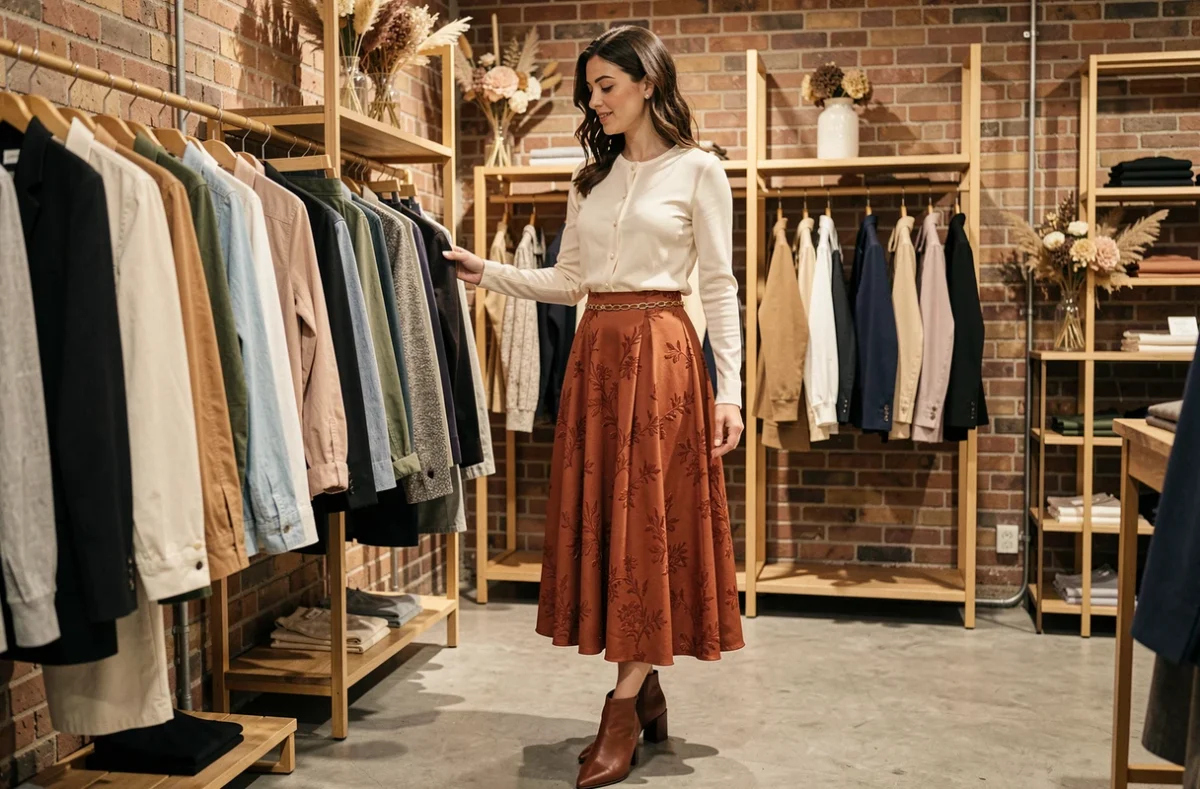
Second-hand shopping is on the rise in France. Used textiles are no longer confined to independent thrift stores: traditional retailers are now incorporating resale offers into their own shops, online or in-store.
However, this growth deserves careful examination. A survey by Ademe and Obsoco, published in 2025, observes that resale can serve to finance new clothing purchases. Resold items are often lightly worn. Therefore, buying second-hand does not necessarily reduce the rapid turnover of the wardrobe.
For those wishing to follow the 2024 trends in a more subdued manner, the missing data remains the actual number of wears per purchased garment, whether new or second-hand. No study cited in the available sources provides this figure reliably on a national scale.
European Regulation on Ecodesign: What Changes for Style in 2024
The European regulation on the ecodesign of sustainable products, which recently came into effect, is not limited to the composition of fabrics. It also targets the issue of unsold goods. Brands will gradually need to justify the destruction of stock, which could alter the frequency of collections and the volume of pieces produced each season.
Capsule collections and limited editions gain relevance in this regulatory context. Producing fewer references, but better targeted, becomes an economic and environmental imperative.
What This Means for the Consumer
The prices of certain trendy pieces could rise if brands pass on the costs associated with the new obligations. The limitation of unsold goods could also reduce the scale of sales and massive clearances that buyers are accustomed to.
- Favoring versatile pieces (a structured blazer, well-cut jeans, a wool coat) allows for absorbing potential increases in unit prices.
- Checking the composition of fabrics becomes a useful reflex: blended materials are more difficult to recycle than mono-fiber fabrics.
- Monitoring labels and certifications on tags helps distinguish real commitments from marketing claims.
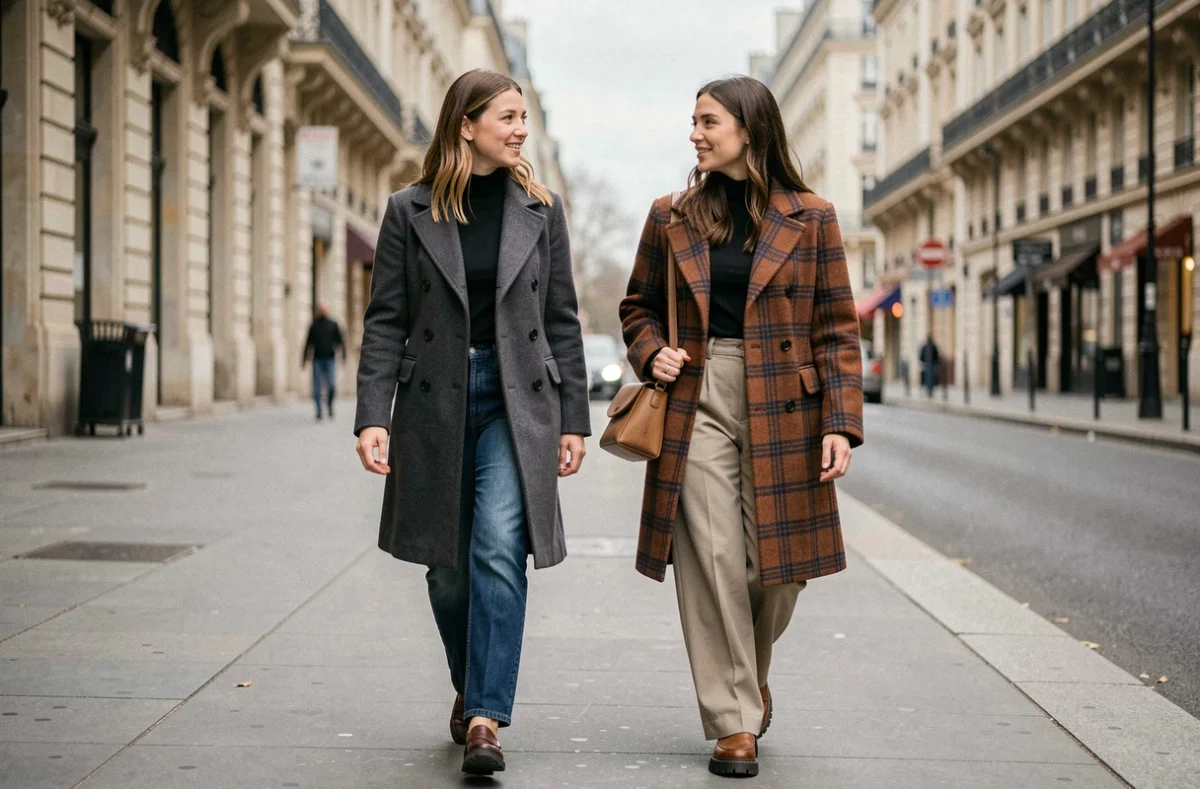
The fashion trends of 2024 are not just a checklist of items to tick off. The European regulatory framework, the rise of second-hand with its documented limits, and the Bonus Textile Repair are reshaping how we build a look season after season. Sustainable style in 2024 is as much about what we keep as it is about what we buy.