A border collie who dreams only of naps. A bulldog who demands a morning walk before dawn. The clichés about dogs crumble as soon as you scratch the surface: each animal shapes its own rules, far from reassuring manuals or neighborly advice. Veterinarians, on the other hand, see the consequences of these preconceived notions: dietary errors, inappropriate routines, unmet expectations. Nothing is ever written in advance, not even in the DNA of a breed.
Grooming, meals, activity: every detail is discussed and adjusted, as a dog’s needs evolve over time, often contrary to inherited habits or trends. Here, there is no universal recipe: vigilance and observation remain the best compass.
Understanding the essential needs of dogs for better coexistence
Family dog or travel companion, each pet requires tailored attention. The balance of canine life goes beyond walks or a bowl of kibble. Dog training builds the foundation of a serene relationship: consistency, patience, and adjustment to the animal’s reactions are key. Without a precise framework, behavioral issues settle in and poison daily life.
Ensuring the health of the dog involves regular veterinary appointments, a continuous fight against parasites (fleas, ticks, worms), and impeccable hygiene: inspection of teeth, ears, eyes, and nails. Nutrition adapts to growth, activity, and metabolism. Taking care of grooming is not vanity: it’s about detecting skin problems or unwanted guests in time.
The living space matters just as much. Some dogs thrive in a garden, while others flourish in a well-arranged apartment, provided they are offered toys and activities that stimulate their intelligence. Early socialization makes all the difference in preventing fear or aggression. With children, vigilance is required on both sides: it’s about learning to understand each other, not forcing trust.
To delve deeper into these aspects, the Animal Passion net site is full of advice and details the peculiarities of each breed in its ‘Doggos – Animal Passion’ section. Accessories, leash, harness, bed, bowl, are not trivial: each serves a specific purpose. The muzzle is reserved for care or transport, the crate serves as a reassuring refuge, never as punishment. Physical and mental activity remains the best protection against boredom and its often unforeseen consequences.
Which breeds and lifestyles for which owner? Tips for choosing and adapting
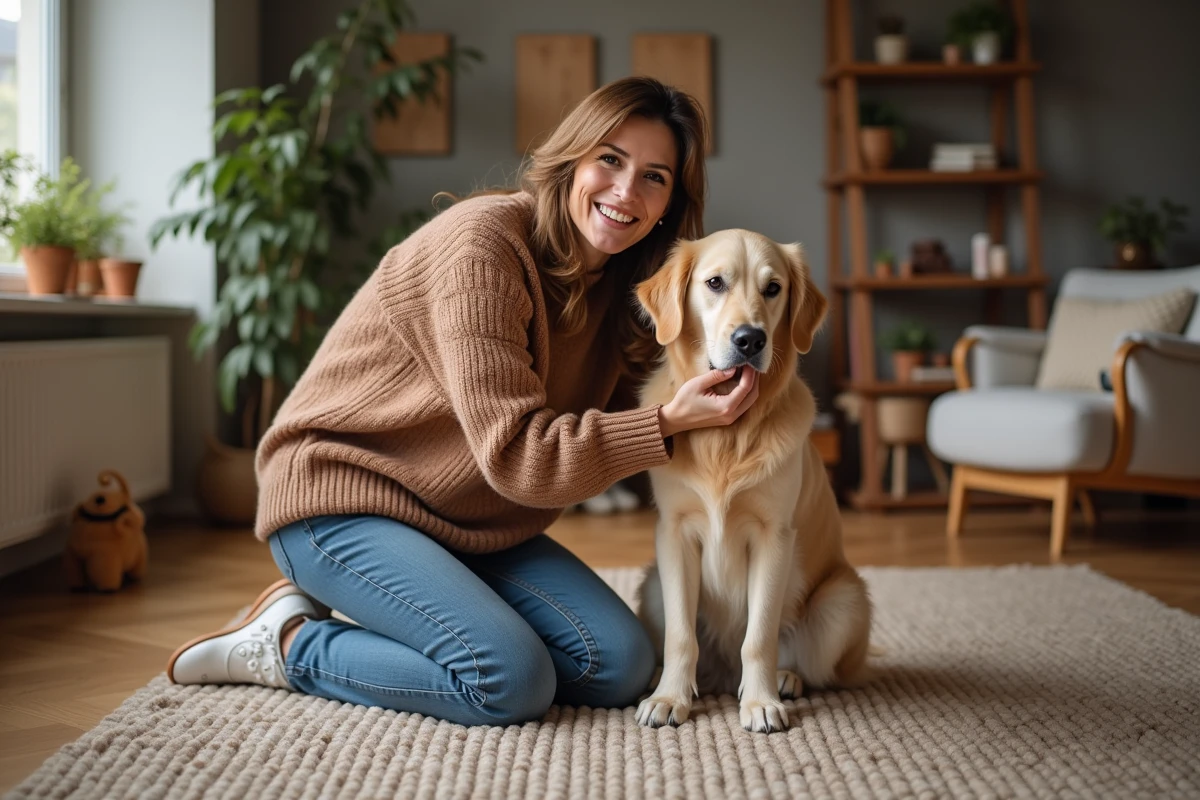
Choosing a dog breed involves the whole household, far beyond mere appearance. The age of the inhabitants, the presence of children, lifestyle, and the size of the home: all these factors weigh on the decision. A golden retriever, known for its gentleness, easily integrates into a family with children. In contrast, a border collie, overflowing with energy, demands sustained physical and mental stimulation.
Lifestyle must always align with the nature of the chosen breed. Dogs like the Australian shepherd do not handle boredom well and quickly develop problematic behaviors if left to their own devices. The poodle, quick-witted and hypoallergenic, appeals to sensitive city dwellers and game enthusiasts. A bichon frise, calm and sociable, reassures elderly people or those who prefer tranquility over performance.
Here are some points of caution according to certain breeds:
- The bulldog, due to its sensitivity to heat, requires precautions during exertion and monitoring of its breathing.
- The cavalier king charles needs particular attention regarding its heart.
- The dachshund, predisposed to back problems, requires specific adjustments and careful handling.
- The shar pei maintains its uniqueness with its skin folds, which require meticulous care.
Adopting a dog also means agreeing to gather information, prepare the family, and measure long-term responsibility. Shelter or breeding, every choice deserves reflection: genetic diseases, veterinary visits, compatibility with lifestyle, nothing should be left to chance. A happy animal is first and foremost the result of an informed choice and renewed attention, day after day.
Nutrition, health, education, and hygiene: the keys to caring for your dog daily
Feeding a dog is not just about filling the bowl blindly. Needs differ according to age, size, physical activity, or health status. Kibble designed by veterinarians meets these requirements, where table scraps leave too much to chance. For puppies, growth requires increased protein and calcium intake. For older dogs, everything lightens, digestion changes, and nutrition evolves.
The animal’s health relies on constant attention. An annual veterinary check-up is often enough to spot a problem before it settles in. Protecting against parasites and diseases means choosing treatments suited to the environment. Pet insurance provides peace of mind when an unexpected medical issue arises.
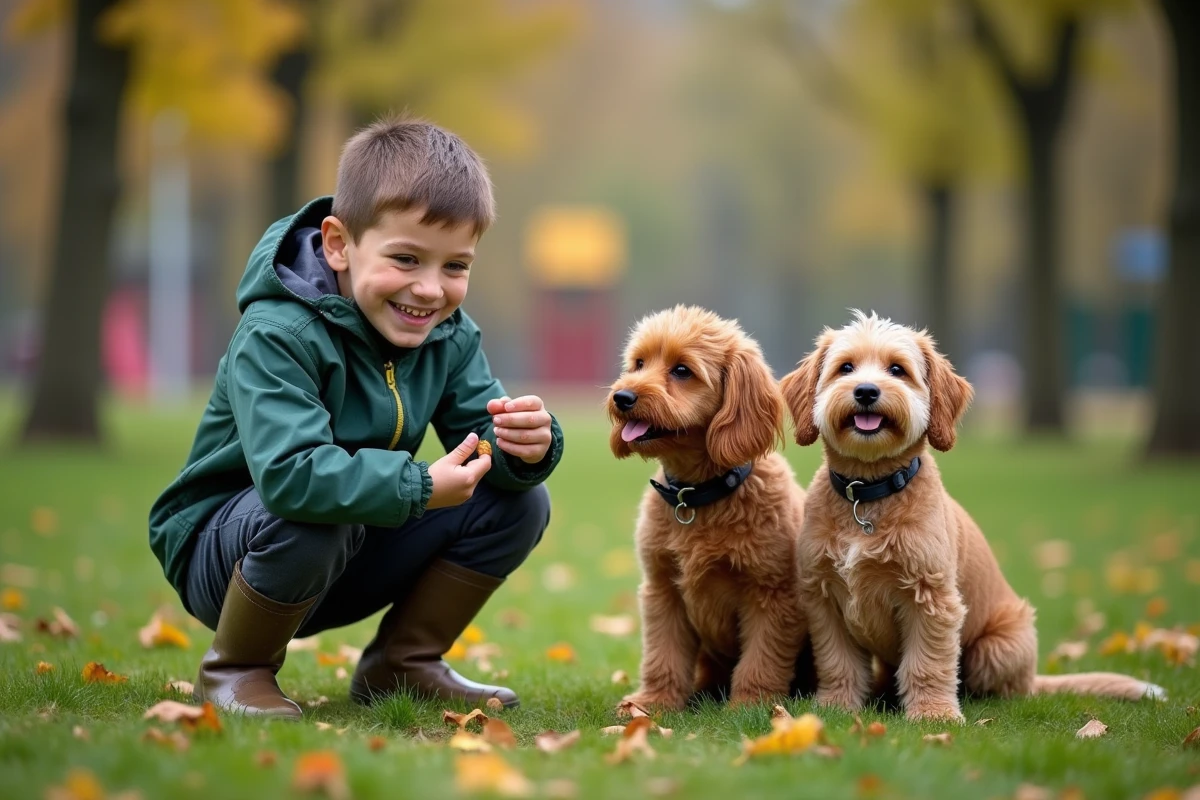
Training requires method and consistency: setting rules, reinforcing good habits, structuring daily life from the first months. The period before four months, crucial for socialization, conditions the balance of the future adult. And if difficulties persist, a professional can guide the owner to avoid negative spirals.
Hygiene, for its part, is not limited to bathing: teeth, eyes, ears, and nails all deserve regular attention. Adapting grooming to the breed allows for early detection of infection signs and the presence of parasites. Keeping a bowl of water available, even at night, prevents many accidents related to dehydration.
Living with a dog means accepting the unexpected, learning to recognize every signal, and constantly adapting. Ultimately, canine happiness is built through listening, adjustments, shared moments, a silent pact that, each day, reinvents the bond between man and his animal.